Vacuum formed hoods are used across beauty and spa equipment because they can be produced without the tooling spend of injection moulding and without the weight of sheet metal. This page covers how 8 mm UV stabilised HDPE sheet is formed for beauty and spa equipment, what tolerances are realistic, and what has to be on the drawing before tooling starts.
The route below is the one used for most of the hoods shipped from this plant: sheet is heated on the forming machine, drawn over an aluminium or composite mould, cooled on a jig, then trimmed on a 5-axis router. For hoods the sheet gauge is selected from the load case rather than from habit, and UV stabilised HDPE is the material most often specified for this combination.
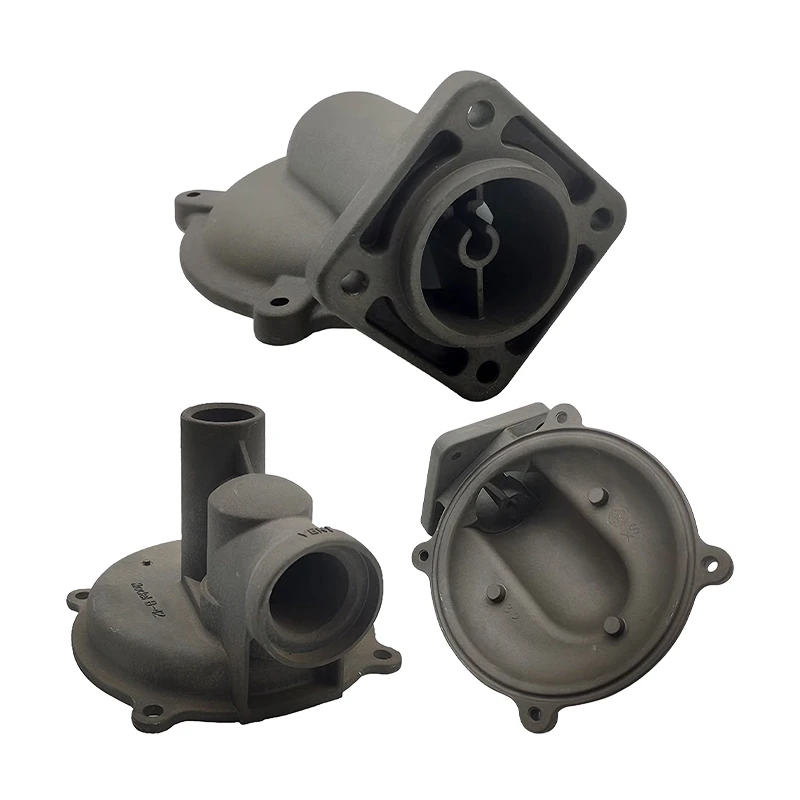
| Item | Value |
|---|---|
| Part type | hoods |
| Industry | beauty and spa equipment |
| Material | UV stabilised HDPE |
| Sheet thickness | 8 mm (1.5–12 mm available) |
| Maximum forming area | 3,000 × 2,000 mm |
| Typical tolerance | ±0.5 mm formed, ±0.2 mm on trimmed edges |
| Tooling | aluminium for production, composite for samples |
| First article | 7–15 working days |
| Production lead time | 3–4 weeks after approval |
| Finish | as formed, textured, painted or printed |
UV stabilised HDPE is the standard answer for outdoor tanks, agricultural hoppers and marine hardware that see direct sun.
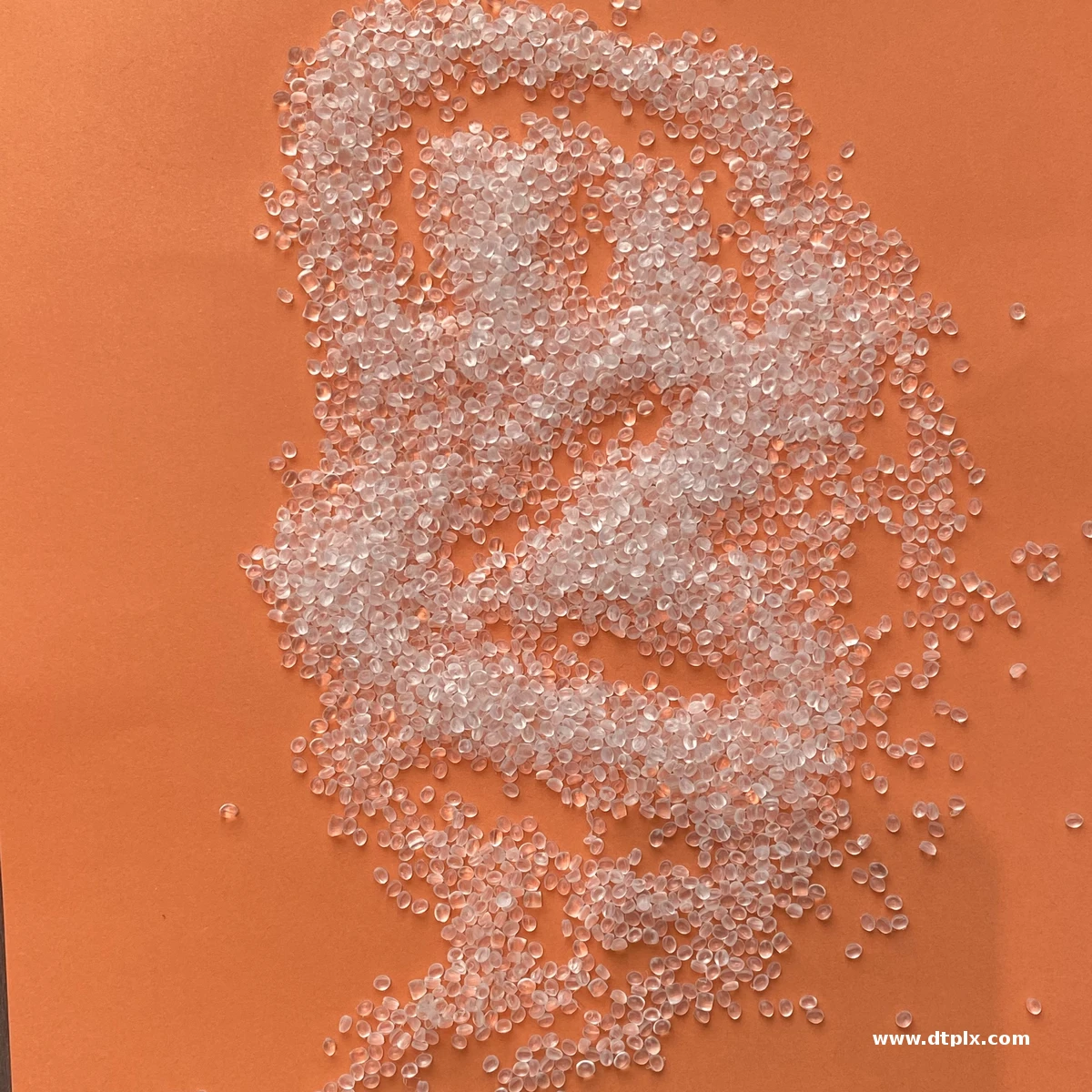
Sheet thickness is checked on the formed part at the points shown on the drawing, and the readings go into the report. Moulds, trim fixtures and programmes are stored against the part number, so a repeat order matches the first batch.
Tooling is the main cost driver at low volume, so a 8 mm hoods for beauty and spa equipment is usually quoted with a composite or printed mould first and the aluminium tool cut once the design is frozen. That keeps the first article cost low and gives a real part to test before the production tool exists. The result is lower piece price compared with the alternatives, and a piece price that stays stable across repeat releases.
Sample and first article tooling is usually cut in 7 to 15 working days. Production aluminium tools take 3 to 4 weeks depending on size and cooling layout.
Yes. Send a sample or scan and the part can be reverse engineered, with the wall thickness and material measured from the sample.
A 3D file or drawing, the material if it is fixed, the annual quantity and the finish. Photos of the current part are enough for a first estimate.
Send the drawing or a photo of the current hoods with the quantity and the finish. The first reply is a manufacturability review with the wall thickness, material and a quotation, so the decision is made on facts rather than on a price alone.
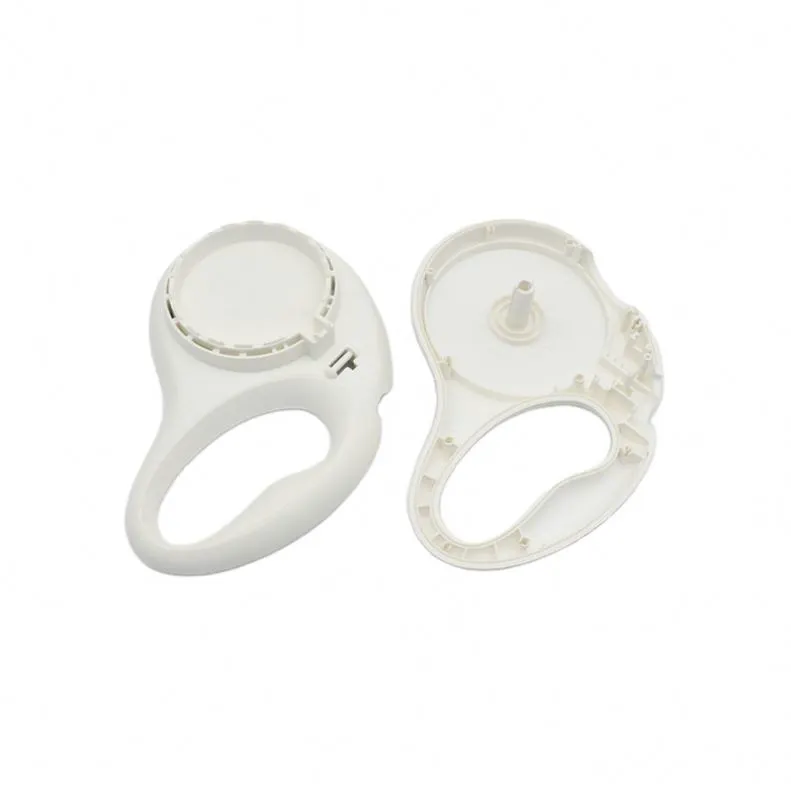
Send the 3D file or drawing with your quantity — manufacturability review and quotation within 24 hours.

Leave a Message