Home / Product / Thermoforming process / Thick Gauge TPO Seat Shells in 6 mm – Hvac Equipment Range /
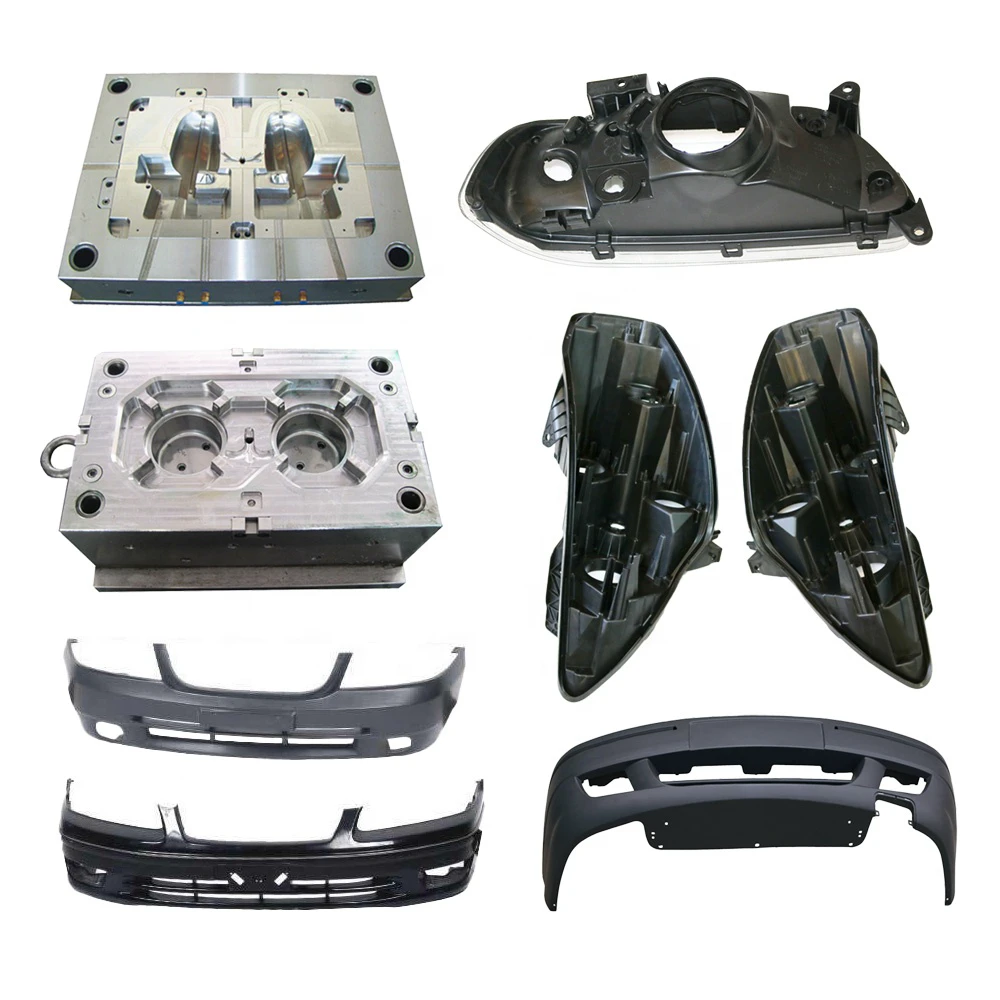
6 mm TPO seat shells manufactured for HVAC equipment: TPO sheet vacuum formed to drawing, 5-axis trimmed, MOQ 1 pieces, first article in 7-15 working days.
Free QuoteThese TPO seat shells are thick gauge vacuum formed parts supplied to drawing for HVAC equipment. They are formed from TPO sheet at 6 mm, trimmed on 5-axis routers and inspected against the drawing before packing. Buyers choose this route where a metal fabrication is too heavy, or where injection moulding tooling cannot be justified for the volume.
| Item | Value |
|---|---|
| Product | seat shells |
| Typical application | HVAC equipment |
| Material | TPO |
| Standard gauge | 6 mm |
| Gauge range available | 1.5–12 mm |
| Maximum formed size | 3,000 × 2,000 mm |
| Formed tolerance | ±0.5 mm typical |
| Trim tolerance | ±0.2 mm on router cut edges |
| Draft angle | 3 degrees minimum, 5 degrees preferred |
| Finish options | powder coat finish, pad printed logos, EMI shielding coating |
| Minimum order | 1 pieces |
| Lead time to first article | 7–15 working days |
| Tooling | aluminium production tool, composite or printed sample tool |
| Origin | China, export packed |
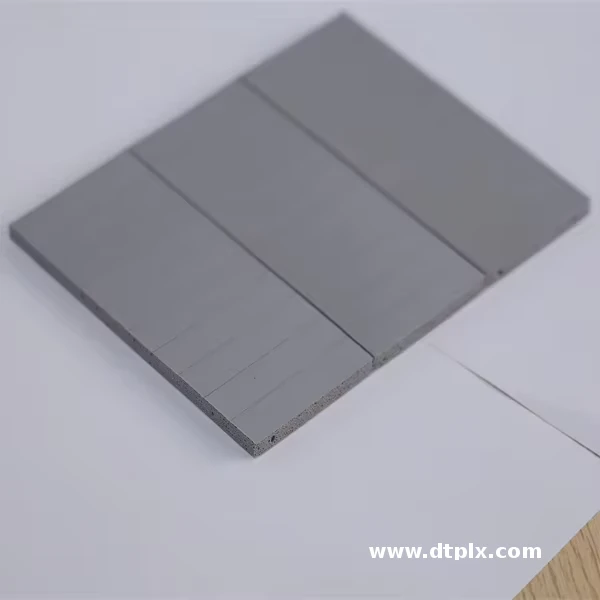
TPO sheet is used where the part lives outdoors: it stays flexible in the cold and resists UV without a coating.
Batch releases carry a dimensional report, material certificate and, where agreed, PPAP or ISIR documentation. First article inspection covers critical dimensions, wall thickness, colour and texture against the approved sample.
Each part is bagged, edges protected with foam, then cartonised for container loading. Standard lead time to first article is 7–15 working days, and repeat releases ship against stored tooling without a new proving run.
Seven to fifteen working days from drawing release for sample tooling, with production tooling in three to four weeks.
Tooling is stored against the part number for the life of the programme, so replacements or spare panels can be released at any time.
Sample quantities start at one piece off printed tooling. The process pays back from about 25 pieces a year and runs well into several thousand.
Send the drawing or a photo of the current seat shells with the quantity and the finish required. The reply covers material choice, wall thickness, tooling route and price, so the decision is made on a complete picture.

Leave a Message